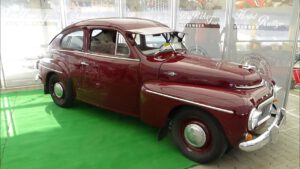
1934 Volvo PV654 – Klassikwelt Bodensee 2017
The 1934 Volvo PV654 emerged during a formative period for Volvo, when the Swedish manufacturer was still defining its identity in a rapidly changing automotive world. Unlike the streamlined and more modern cars that would appear later in the decade, the PV654 retained the upright proportions and formal styling associated with luxury automobiles of the early 1930s. Yet beneath this conservative appearance, Volvo was already building a reputation for durability, engineering solidity, and suitability for difficult Scandinavian conditions.
Technical Details
The 1934 Volvo PV654 was powered by a front-mounted inline six-cylinder engine with a displacement of approximately 3.67 liters. The side-valve engine produced around 80 horsepower, a respectable figure for a Swedish passenger car of the early 1930s. Power delivery emphasized smoothness and torque rather than sporting character, aligning the car more closely with comfortable touring and professional transport than with performance motoring.
The engine was paired with a three-speed manual gearbox transmitting power to the rear wheels. Like many luxury-oriented cars of the period, the PV654 relied on a traditional body-on-frame construction, providing structural strength and flexibility for multiple body styles. The chassis was engineered to cope with rough roads and demanding climates, an important consideration in Scandinavia during the interwar years.
Suspension consisted of rigid axles with semi-elliptic leaf springs front and rear, a common arrangement for the period. Mechanical brakes operated on all four wheels, reflecting contemporary engineering standards before hydraulic systems became widespread. Steering was deliberately geared toward stability and durability rather than quick response, suitable for long-distance touring and professional use.
The six-cylinder engine itself represented an important technical step for Volvo. Earlier models had relied heavily on four-cylinder units, but the PV654 belonged to a generation intended to position Volvo more confidently within the upper-middle-class and taxi markets. The mechanical layout favored reliability and ease of maintenance over technical experimentation, qualities that would later become central to Volvo’s reputation.
- Manufacturer: Volvo
- Model name: Volvo PV654
- Year of manufacturing: 1934
Design
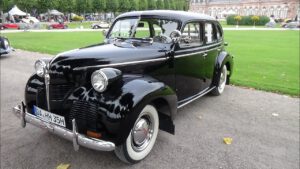
The design of the 1934 Volvo PV654 reflected the formal automotive styling language of the early 1930s. Tall proportions, upright surfaces, and carefully balanced fenders gave the car a dignified and substantial appearance. Unlike later streamlined automobiles, the PV654 openly displayed its separate body elements, including freestanding headlamps, pronounced running boards, and individually shaped wheel arches.
The front end featured a tall vertical grille framed in chrome, emphasizing prestige and solidity. Large round headlamps mounted separately from the body reinforced the car’s traditional character, while the upright windshield and high roofline maximized passenger space and visibility.
The long hood visually communicated the presence of the six-cylinder engine beneath, giving the PV654 a more prestigious stance than earlier Volvo models. Chrome trim was used sparingly but effectively, providing refinement without excessive ornamentation.
Inside, the cabin focused on practicality and comfort. Broad bench seating, durable materials, and generous passenger space reflected the car’s role as both a family touring vehicle and a professional taxi platform. Large windows created an airy interior environment, while the upright seating position provided good visibility on difficult roads.
Although conservative in appearance, the design possessed a certain restrained elegance. The clean proportions and disciplined detailing already hinted at the Scandinavian preference for functional clarity that would later become more strongly associated with Volvo design.
Historical Significance
The Volvo PV654 occupied an important place in Volvo’s early development as an automobile manufacturer. Founded in 1927, Volvo initially concentrated on building robust cars capable of surviving Sweden’s harsh climate and difficult road network. By the early 1930s, the company was increasingly moving beyond purely utilitarian vehicles and attempting to compete in more prestigious market segments.
The PV654 formed part of Volvo’s 650 series, introduced in 1929. These models represented Volvo’s transition toward larger and more sophisticated six-cylinder automobiles. Compared with earlier Volvos, the PV654 offered improved comfort, stronger performance, and greater refinement, helping the company attract wealthier private customers as well as commercial operators.
One particularly important role for the PV654 involved taxi service. Volvo’s durable construction and spacious interiors made the model highly attractive to Scandinavian taxi operators, helping establish the company’s reputation for reliability in professional use. This connection between Volvo and dependable long-distance transport became an important part of the brand’s identity.
The model also reflected broader changes within the automotive industry during the interwar period. Manufacturers increasingly sought to balance traditional craftsmanship with more efficient production methods. Volvo, although still relatively small compared with major American and European competitors, gradually expanded production capacity and technical competence during these years.
Historically, the PV654 belongs to the generation of cars that laid the groundwork for Volvo’s later success. Without the reliability and engineering credibility established by models like the 650 series, Volvo’s postwar expansion would have been far more difficult.
Quirks and Pop Culture
The Volvo PV654 developed a particularly strong association with taxi service throughout Scandinavia. Its spacious cabin, dependable six-cylinder engine, and strong chassis made it a favored choice among professional drivers during the 1930s. In many Swedish cities, large Volvo sedans became closely associated with commercial transport and public reliability.
Another notable characteristic of the PV654 was its durability in extreme climates. While many contemporary European cars struggled under harsh winter conditions, Volvo deliberately engineered its vehicles for Scandinavian realities. Owners frequently praised the car’s ability to tolerate poor roads, cold weather, and extensive daily operation.
The upright styling and separate fenders of the PV654 also make it visually representative of the transitional era between classic coachbuilt automobiles and the more streamlined integrated bodies that would dominate later in the decade. Today, the car is often appreciated for preserving the formal elegance of prewar automotive design before aerodynamic styling transformed the industry.
Unlike many luxury cars of the period that disappeared after the Second World War, a number of Volvo six-cylinder sedans survived through long-term practical use. Their reputation for robustness often meant they remained in service far longer than many more fashionable contemporaries.
Display and preservation
This car was filmed at the Klassikwelt Bodensee 2017. The show demonstrated how dynamic classic vehicle preservation can be when brought to life beyond static displays. Attracting nearly 39,000 visitors from 17 countries, the event combined exhibitions across ten halls with live demonstrations on land, water, and in the air. Historic aircraft, racing cars, and motorcycles were not only displayed but actively showcased, reinforcing their mechanical vitality. Special exhibitions and club presentations added depth, while around 600 privately owned classics integrated visitors into the display itself. This immersive format highlighted preservation as an experience—where history is not only protected, but continuously lived and shared.
Conclusion
The 1934 Volvo PV654 represents an important chapter in Volvo’s early evolution. Technically conservative but exceptionally robust, it combined a smooth six-cylinder engine with durable engineering and spacious practicality. Its upright styling reflected the formal luxury-car traditions of the early 1930s while already hinting at Volvo’s future emphasis on functional clarity and restraint.
Historically, the PV654 helped strengthen Volvo’s reputation for reliability, particularly in demanding Scandinavian conditions and professional taxi service. More than simply an early luxury sedan, it was part of the foundation upon which Volvo built its long-term identity as a manufacturer of dependable, thoughtfully engineered automobiles. Today, the PV654 stands as a reminder of Volvo’s formative prewar years and the gradual emergence of Scandinavian automotive engineering on the international stage.