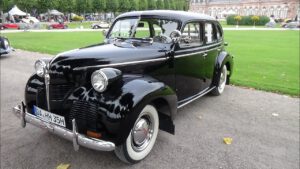
1969 Pontiac GTO Coupé – NR Classic Cars Rudersberg 2020
The 1969 Pontiac GTO Coupé stood at the intersection of two automotive trends: the raw horsepower race of the late 1960s and the growing expectation that performance cars should also feel refined and well-equipped. Pontiac had already established the GTO as a defining American muscle car earlier in the decade, but the 1969 version sharpened its identity through a more aggressive front design, advanced Ram Air engine options, and a broader focus on driver comfort. It was no longer simply a fast intermediate coupe; it had become a highly recognizable symbol of American performance culture.
Technical Details
The 1969 Pontiac GTO Coupé used General Motors’ intermediate A-body platform and retained a classic front-engine, rear-wheel-drive configuration. Construction relied on a separate body-on-frame structure, typical of American performance cars of the period, combining rigidity with the ability to accommodate increasingly powerful V8 engines. Front suspension consisted of unequal-length control arms with coil springs, while the rear axle was supported by a four-link setup with coil springs, giving the GTO a relatively balanced ride for a high-powered muscle car.
Standard power came from Pontiac’s 400 cubic inch (6.6-liter) V8, producing approximately 350 horsepower with a four-barrel carburetor. Buyers seeking additional performance could select Ram Air packages that improved airflow through functional hood scoops and upgraded engine internals. The Ram Air III offered stronger mid-range performance and sharper throttle response, while the more extreme Ram Air IV introduced high-flow cylinder heads, a more aggressive camshaft profile, reinforced valvetrain components, and revised intake geometry intended for sustained high-speed driving and competition use.
Transmission choices included a three-speed manual gearbox, a close-ratio four-speed manual, and a Turbo Hydra-Matic automatic transmission. Optional limited-slip differentials improved traction under hard acceleration. Power-assisted steering and braking systems became increasingly common on higher-optioned cars, reflecting Pontiac’s effort to make the GTO both fast and comfortable enough for regular road use. In top specifications, the 1969 GTO delivered acceleration figures that placed it firmly among the fastest American production coupes of its generation.
- Manufacturer: Pontiac Division, General Motors
- Model name: Pontiac GTO Coupé
- Year of manufacturing: 1969
Design
The exterior design of the 1969 Pontiac GTO Coupé moved away from the relatively delicate lines of mid-1960s muscle cars and adopted a heavier, more sculpted appearance. The front fascia became the car’s defining visual feature. Pontiac integrated hidden headlights into a body-colored Endura nose, eliminating the traditional chrome bumper appearance and creating a cleaner, more unified front end. This urethane nose section gave the GTO a modern and somewhat futuristic look for its time.
The body surfaces emphasized width and strength rather than ornamentation. Pronounced wheel arches, subtle rear-quarter contours, and a long hood visually reinforced the car’s mechanical power. Hood scoops hinted at the Ram Air induction systems available beneath them, while optional stripes and rear spoilers added further distinction on performance-oriented versions such as The Judge.
Inside, the cabin reflected the growing sophistication of late-1960s American coupes. Bucket seats, a center console, woodgrain trim, and deeply recessed gauges created an atmosphere that balanced sportiness with touring comfort. One of the most memorable features was the optional hood-mounted tachometer, positioned directly in front of the driver on the hood surface. Although unconventional, it became one of the GTO’s most recognizable details and reinforced the impression that the car was engineered with performance in mind.
Historical Significance
The Pontiac GTO’s significance extends beyond its individual specifications because it helped establish the American muscle-car formula itself. When Pontiac introduced the original GTO package in 1964, the concept of placing a large-displacement V8 into a relatively compact intermediate chassis transformed the American performance market. By 1969, however, nearly every major domestic manufacturer had entered the segment with increasingly aggressive rivals.
The 1969 GTO therefore represented Pontiac’s attempt to maintain leadership in an environment shaped by intense horsepower competition. Rather than focusing solely on engine output, Pontiac also emphasized styling, equipment, and identity. The redesigned body and hidden-headlight nose gave the car a more mature and expensive appearance, helping distinguish it from lower-priced competitors.
The introduction of The Judge package during the 1969 model year further amplified the GTO’s cultural and commercial impact. Originally conceived as a more affordable youth-oriented version, The Judge quickly evolved into a highly visible performance flagship, combining vivid paint colors, stripes, spoilers, and Ram Air engines. It became one of the most famous factory muscle-car packages of the era.
The timing of the 1969 GTO is also historically important because it arrived just before the rapid decline of the classic muscle-car period. Insurance costs, emissions regulations, and fuel concerns would soon force American manufacturers to reduce compression ratios and engine outputs. As a result, the 1969 GTO belongs to the final years when large-displacement American V8s could still be sold with relatively few restrictions.
Quirks and Pop Culture
The GTO’s name has long been one of the car’s most unusual features. Pontiac borrowed the initials from Ferrari’s “Gran Turismo Omologato,” a decision that irritated some European purists but helped give the American coupe an exotic-sounding identity. Within only a few years, however, the GTO name had become so influential in the United States that it developed an identity entirely separate from its Italian inspiration.
The 1969 GTO became a familiar sight in American automotive magazines, drag strips, and street-racing culture. Its combination of visual aggression and accessible performance made it particularly popular among younger buyers during the peak years of muscle-car enthusiasm.
The hidden-headlight system also contributed to the car’s personality. When functioning correctly, the vacuum-operated covers gave the GTO a dramatic nighttime appearance. However, aging vacuum mechanisms sometimes caused the headlights to open unevenly or remain partially raised, creating a characteristic quirk remembered by many owners.
Today, original Ram Air IV cars and factory-built Judge models are among the most valuable Pontiacs from the muscle-car era. Collectors particularly value examples retaining original drivetrains, documentation, and factory paint combinations.
Display and preservation
This car was displayed at the NR Classic Car Collection in Rudersberg which reflects a deep passion for American automotive culture. Specialising in muscle and pony cars from the 1960s, 1970s and 1980s, the collection regularly features around 30 to 40 carefully selected classics. Many of the cars are equipped with powerful V8 engines exceeding six litres in displacement and producing well over 400 horsepower. Unlike static museum exhibits, these automobiles are actively maintained, driven and continuously renewed through new acquisitions, ensuring that the exhibition remains dynamic and authentic for enthusiasts and visitors alike.
Conclusion
The 1969 Pontiac GTO Coupé represented a mature and highly developed phase of the American muscle-car movement. Technically, it combined powerful V8 engines, optional Ram Air induction systems, and increasingly refined road manners within a traditional rear-wheel-drive platform. Its design introduced one of the most distinctive front fascias of the era through the Endura nose and hidden headlights, while the interior reflected growing expectations for comfort and sophistication. Historically, the car marked Pontiac’s effort to maintain the GTO’s leadership in a fiercely competitive market just before the classic muscle-car era began to fade. More than half a century later, the 1969 GTO remains one of the defining American performance coupes of its time.