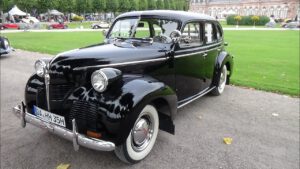
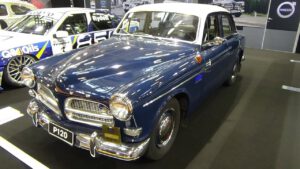
1967 Volvo P120 Amazon – Oldtimer-Meeting Baden-Baden 2025
The 1967 Volvo P120 Amazon belongs to the final and most mature years of Volvo’s influential mid-century sedan. By this stage, the Amazon had evolved from a stylish postwar family car into a highly refined and internationally respected automobile known for durability, safety, and practical engineering. At the same time, it still retained the elegant proportions and restrained detailing that made the model stand out among European sedans of the 1960s.
Technical Details
The 1967 Volvo P120 Amazon was powered by Volvo’s well-established B18 inline four-cylinder engine with a displacement of 1,778 cc. The overhead-valve engine used a cast-iron block and five-bearing crankshaft construction, features that contributed significantly to its reputation for exceptional durability. Depending on version and market specification, power output typically ranged between 75 and 96 horsepower, with twin-carburetor versions offering noticeably stronger performance and more flexible high-speed touring capability.
Power was transmitted to the rear wheels through either a four-speed manual gearbox or an optional automatic transmission. Many manual cars were equipped with Volvo’s electrically activated overdrive system, effectively functioning as an additional cruising gear during motorway driving. The drivetrain emphasized reliability and long-term usability rather than outright performance, but the Amazon nevertheless developed a reputation for stable and confident road manners.
The suspension layout reflected Volvo’s preference for predictable handling and structural simplicity. Independent front suspension with coil springs and wishbones was combined with a rear live axle supported by trailing arms and coil springs. The setup produced a comfortable ride while maintaining good stability under load and on rough roads. Front disc brakes and rear drum brakes improved braking consistency compared with many contemporary family sedans.
Safety engineering remained one of the Amazon’s defining technical characteristics. By 1967, the model integrated Volvo’s pioneering three-point seatbelt system as standard equipment in many markets. Reinforced body construction, carefully designed crumple zones, and improved interior safety measures reflected Volvo’s growing role as a leader in automotive safety innovation.
Mechanically, the Amazon was engineered to tolerate demanding Scandinavian climates and long-distance use. The simplicity of the drivetrain and the robustness of the B18 engine helped establish the model as one of the most dependable European sedans of its era.
- Manufacturer: Volvo
- Model name: Volvo P120 Amazon
- Year of manufacturing: 1967
Design
The design of the 1967 Volvo P120 Amazon balanced American-inspired styling influences with restrained Scandinavian discipline. Although originally introduced during the mid-1950s, the shape aged remarkably well, and by 1967 the car still appeared elegant and modern without relying on excessive ornamentation.
The body featured softly rounded contours, gently pronounced rear fenders, and subtle tailfin-inspired elements that reflected transatlantic trends without becoming exaggerated. At the front, the Amazon combined a broad chrome grille with twin round headlamps and carefully integrated brightwork. The proportions remained compact and upright, giving the car a solid and reassuring presence.
Compared with many European family cars of the period, the Amazon projected a noticeably more refined appearance. Chrome trim around the windows, bumpers, and grille added visual sophistication while avoiding unnecessary decoration. The clean surfacing and balanced stance contributed to the car’s enduring visual appeal.
Inside, the cabin emphasized clarity and practicality. The dashboard layout was simple and functional, with large instruments and clearly arranged controls positioned directly in the driver’s field of view. Thin steering wheels, chrome accents, and durable upholstery reflected Volvo’s emphasis on usability and long-term comfort rather than luxury for its own sake.
Large windows and narrow roof pillars created excellent outward visibility and reinforced the spacious feeling inside the cabin. The seats themselves became an important aspect of Volvo’s developing ergonomic philosophy, supporting the company’s growing focus on driver comfort and occupant protection.
Historical Significance
The Volvo Amazon played a crucial role in transforming Volvo from a relatively regional Scandinavian manufacturer into an internationally recognized automotive brand. Introduced in 1956, the model modernized Volvo’s lineup and significantly expanded the company’s export presence, especially in Europe and North America.
By 1967, the Amazon had become one of Volvo’s defining postwar automobiles. It represented a successful combination of style, durability, and safety at a time when many manufacturers still treated these qualities separately. The model helped establish the idea that a practical family car could also possess strong design character and refined engineering.
Historically, the Amazon is particularly important because of its connection to the three-point seatbelt. Volvo introduced the modern three-point system during the Amazon’s production run, and the innovation quickly became one of the most significant safety developments in automotive history. Rather than tightly restricting the patent, Volvo allowed widespread adoption of the design, accelerating its use across the global automotive industry.
The Amazon also proved highly successful in motorsport, especially in rallying. Its robust chassis, dependable drivetrain, and predictable handling characteristics made it competitive in demanding endurance events, particularly in Scandinavia. These successes reinforced Volvo’s reputation for engineering strength and reliability.
Production of the Amazon continued until 1970, by which point more than 660,000 examples had been built. The model became one of the key foundations of Volvo’s long-term identity as a manufacturer of durable, safety-oriented automobiles.
Quirks and Pop Culture
The name “Amazon” itself produced one of the model’s most unusual stories. Although Volvo intended to market the name internationally, trademark disputes with a German motorcycle manufacturer forced the company to officially use numerical designations such as “120 Series” in many countries. Nevertheless, owners and enthusiasts continued calling the car the Amazon, and the unofficial name ultimately became inseparable from the model.
The Amazon also became deeply associated with Scandinavian everyday life. Its combination of durability and winter capability made it especially common across northern Europe, where the car developed a reputation for surviving harsh weather and extremely high mileages.
In rallying culture, the Amazon earned considerable respect despite its conservative appearance. The car achieved success in endurance events and became known for mechanical toughness on rough roads and difficult surfaces. This motorsport credibility gave the model a more dynamic image than its restrained styling initially suggested.
Another enduring aspect of the Amazon’s legacy is its reputation for longevity. Many examples remained in daily service for decades, helped by the famously durable B18 engine and straightforward mechanical construction. The car’s survival rate remains unusually high for a family sedan of the 1960s.
Display and preservation
This car was shown at the 48th International Oldtimer Meeting in Baden-Baden. Taking place from 11 to 13 July 2025, the presentation of historic vehicles blended elegance with careful preservation. Around 370 automobiles from 81 marques, spanning over a century of motoring history, were displayed in the refined setting of the Kurgarten. A dedicated special exhibition honored Audi’s 100-year legacy, highlighting key milestones and its Auto Union heritage. The prestigious concours d’élégance formed the centerpiece, rewarding outstanding examples of authenticity and restoration, while the atmospheric evening illumination added a distinctive cultural dimension to the event.
Conclusion
The 1967 Volvo P120 Amazon captures the mature form of one of Volvo’s most important postwar cars. Technically robust, visually balanced, and historically influential, it combined dependable engineering with elegant styling and groundbreaking safety innovation. Its durable B18 engine, strong body construction, and practical usability established the model as one of the defining European family sedans of its era.
At the same time, the Amazon avoided becoming purely utilitarian. The restrained design, comfortable cabin, and refined proportions gave the car a lasting character that continues to appeal to enthusiasts today. More than half a century later, the 1967 Volvo Amazon remains significant not only as a reliable classic automobile, but also as one of the vehicles that helped shape Volvo’s global identity.