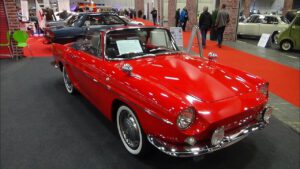
1974 Triumph TR6 – Exterior and Interior – Classic Expo Salzburg 2021
Technical Details
The 1974 Triumph TR6 was powered by a front-mounted 2.5-liter (2,498 cc) inline six-cylinder engine. In European specification, the engine was equipped with Lucas mechanical fuel injection and produced approximately 150 PS (around 148 bhp) in earlier years, though output had been reduced slightly by the mid-1970s due to tightening emissions regulations. In many export markets, particularly the United States, the TR6 used twin Zenith-Stromberg carburetors instead of fuel injection. U.S.-specification cars for 1974 typically produced around 104–106 bhp (SAE net), reflecting emissions and compression adjustments.
The drivetrain followed a classic sports car layout: front engine, rear-wheel drive. A four-speed manual gearbox was standard, with optional overdrive available on selected gears, effectively providing a higher cruising ratio. An automatic transmission was also offered in certain markets, though the manual remained the preferred choice for most buyers.
The TR6 retained a separate ladder-frame chassis, a design dating back to earlier TR models. Suspension consisted of independent front suspension with coil springs and wishbones, and a semi-trailing arm independent rear suspension, a feature introduced with the TR4A. Braking was handled by front disc brakes and rear drums. With a wheelbase of approximately 2,235 mm and a kerb weight in the region of 1,100–1,150 kg depending on specification, the TR6 delivered strong mid-range torque and stable road manners rather than high-revving performance.
- Manufacturer: Triumph (British Leyland)
- Model name: Triumph TR6
- Year of manufacturing: 1974 (production run 1969–1976)
Design
The Triumph TR6’s design was a reworking of the earlier TR5/TR250 body, styled by the German coachbuilder Karmann. Introduced in 1969, the TR6 featured a squared-off front and rear treatment that replaced the more rounded lines of its predecessor. By 1974, the visual identity remained largely unchanged.
The car’s proportions were classic British roadster: long hood, short rear deck, and a low seating position between pronounced wheel arches. The front fascia was defined by a simple grille flanked by round headlamps, while the rear featured a clean horizontal layout with integrated tail lamps. Chrome bumpers were still fitted in 1974, although U.S. regulations had begun influencing bumper height and design details.
The interior was functional and driver-focused. A wood-veneer dashboard housed a full set of round analog instruments, including tachometer and speedometer directly in front of the driver. Switchgear and controls were straightforward, with minimal ornamentation. Seating was low and relatively upright, reinforcing the car’s sporting character. The soft top could be folded manually, and a detachable hardtop was available as an option.
Historical Significance
The Triumph TR6 represents the final evolution of the traditional separate-chassis TR line before the arrival of the TR7 with its radically different wedge-shaped design and unitary construction. Introduced in 1969, the TR6 was produced until 1976, with total production reaching approximately 94,619 units. A significant majority—around 80 percent—were exported to the United States, underlining the model’s importance in the North American market.
By 1974, the global automotive landscape was changing. The oil crisis and stricter emissions standards, particularly in the United States, affected performance outputs and market demand. The TR6 in 1974 therefore reflects a transitional period: it retained the character and mechanical layout of 1960s British sports cars while adapting to new regulatory realities.
Within Triumph’s lineup, the TR6 stood as a mature and well-developed product. Its robust inline-six engine, strong torque delivery, and relatively simple mechanical layout made it both appealing to enthusiasts and accessible to independent servicing. As one of the last classic British roadsters before major shifts in design philosophy, it occupies a clear place in sports car history.
Quirks and Pop Culture
The Triumph TR6 became closely associated with the image of the classic British open-top sports car. In the 1970s, it was frequently seen in period motoring magazines and enthusiast publications as an attainable yet characterful performance car. Its distinctive exhaust note, produced by the straight-six engine, remains a defining sensory element for owners.
The contrast between European fuel-injected versions and lower-output U.S. carbureted models has become a recurring topic among collectors and restorers. Today, many surviving TR6s have been modified, restored, or upgraded, particularly in the United States, where parts availability and enthusiast support remain strong.
The TR6’s straightforward mechanical construction has also contributed to its popularity in historic motoring events and classic car rallies. Its blend of torque-rich engine performance and open-air driving experience continues to define its appeal decades after production ended.