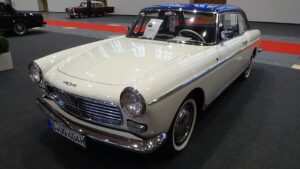
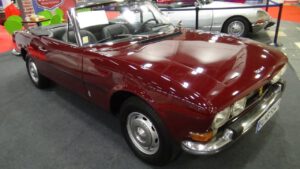
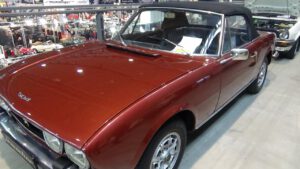
1961-1969 Alfa Romeo 2600 Spider – Exterior and Interior – Oldtimer-Meeting Baden-Baden 2021
The Alfa Romeo 2600 Spider is presented as the most elegant member of the six-cylinder trio shown in Geneva in 1962, and its styling changes are subtle enough that casual observers might miss them. Look closer.
Technical Details:
When Alfa Romeo unveiled the 2600 range at the Geneva Motor Show in 1962, the headline was mechanical: a new inline six-cylinder engine appeared in a production Alfa for the first time since 1939. In the Alfa Romeo 2600 Spider, that shift transforms the car from a stylish open tourer into a full-blooded grand touring machine. The engine is an all-aluminum inline-six with twin overhead camshafts, and it brings a different tone of performance compared with the aging two-liter four-cylinder it effectively replaces in spirit. Displacement is specified at 2,584 cm³, and induction is deliberately dramatic: three 44 Solex carburetors feed the crossflow cylinder head, with Weber carburetors available on request. The sources stress that correct synchronization is crucial; done properly, the six shows “astonishing temperament,” but especially the Solex setup can challenge less experienced mechanics. Buyers often favored Webers, and that preference is linked both to easier ownership and a more performance-oriented feel.
Power output is given as 132 PS in the 2600 line, and while the Spider’s character is described in language more about sound and thrust than numbers, a top speed around 200 km/h is referenced for the 2+2. The throttle response is portrayed as slightly deliberate because the pedal movements must “work through” the trio of dual carburetors, but the payoff is a full, saturated engine note and an effortless surge once everything is in step. Importantly for long-term ownership, the motor is described as having sufficient reserves for a long, reliable life, provided it is maintained correctly. This combination of an aluminum DOHC six and multi-carburetor breathing is central to the SEO story of the Alfa Romeo 2600 Spider: it is the big-engine Touring roadster that asks for specialist tuning, then rewards with smooth, sustained speed.
- Manufacturer: Alfa Romeo
- Model name: Alfa Romeo 2600 Spider
- Year of manufacturing: 1961 to 1969
Design:
The Alfa Romeo 2600 Spider is presented as the most elegant member of the six-cylinder trio shown in Geneva in 1962, and its styling changes are subtle enough that casual observers might miss them. Look closer and the front end gives itself away: the car now wears slightly staggered twin headlamps, while the indicators move down onto the bumper. The two separate air openings seen on the 2000 Spider are replaced by a connected, wider slit, simplifying the face. The side view also gets cleaner. The previous decorative side “gills” disappear, and the upper of two once-parallel chrome strips is removed. The result is a calmer, more organized body side that suits the Spider’s clearer, more restrained outline. Another small but telling change happens around the windscreen: two small, opening quarter windows appear, framing the front glass and adding a practical, period-correct touch.
Inside, the refresh is more obvious. The Spider receives new instrumentation with four round, chrome-ringed gauges and an aluminum three-spoke steering wheel with a thermoplastic rim. The sources describe these cabin details as well received, and they fit the car’s positioning as a more luxurious open 2+2 rather than a stripped sports car. The low beltline and excellent all-round visibility are repeatedly emphasized as part of the experience, giving the driver a clear view of the outside world at speed. Under the hood, the engine’s visual presence is part of the design narrative too: the crossflow head sits beside a dense “battery” of carburetors, an arrangement that looks as purposeful as it sounds.
Historical Significance:
Alfa Romeo’s return to a production inline-six in the early 1960s was meant to silence critics of the older two-liter four-cylinder and to give the brand a more prestigious drivetrain for its upper models. The Alfa Romeo 2600 placed that new six into bodies that were only lightly revised from the preceding generation: Alfa Romeo 2600 Spider, Sprint, and the sedan. In other words, the change was concentrated where it mattered most for status and drivability. The sources frame the six-cylinder engine as the decisive answer, both in sound and in delivery, and they tie the 2600’s market role to comfort, equipment, and presence rather than corner-carving agility.
Production context also helps explain the model’s place. The 2600 sedan is cited at 2,038 units with factory coachwork, while the Spider is listed at 2,257 examples. That Spider figure matters because it indicates a real, if limited, demand for a large, expensive open Alfa in a market that was beginning to drift toward smaller, more agile sports cars. The same era also produced an even more exclusive offshoot: 54 examples of the 2600 De Luxe built at OSI, with styling credited to Ghia, and one customer singled out as the Shah of Persia. Even though that story centers on the sedan, it underlines the 2600 program’s broader purpose: to deliver a six-cylinder Alfa that could play credibly in the prestige space.
Quirks and Pop Culture:
The Alfa Romeo 2600 Spider is often discussed as Alfa’s last inline-six roadster, and that “last of its kind” status is part of its modern appeal. The big, all-aluminum DOHC six is described as smooth and sonorous, but it also signals a turning point: weight and luxury are now baked into the concept in a way that separates the 2600 from lighter Alfa Spiders. The Touring Superleggera body tradition returns here as well, and the sources highlight the downside that comes with it in the 1960s context. Increased weight and power can stress the lightweight framework, contributing to structural flex and long-term corrosion problems that restorers still confront.
Owning one also means living with its carburetors. Three 44 Solex units deliver the authentic specification, yet they demand careful synchronization, and not every mechanic is equipped for that job. This is one reason buyers gravitated toward Weber carburetors, which quickly developed the bigger following. Driving impressions add another memorable quirk: some owners compare the 2600’s behavior to an exclusive motor yacht. The car is not described as vague, but the combination of size, luxury bias, and the slightly deliberate response through the triple-carb setup creates a distinct rhythm: a deep sound, a lift from the suspension, and then sustained speed with the outside world clearly visible through the low beltline and strong visibility.
Display and preservation:
The vehicle was exhibited at the Oldtimer-Meeting Baden-Baden in 2021. This event, held annually in the spa town’s Kurpark and along the Kaiserallee, is one of Germany’s most picturesque classic car gatherings. In 2021, the 44th edition featured 300 vintage vehicles from 80 different brands, including rare models. The event embraced a 1970s theme, showcasing over 40 vehicles from that era. An innovative highlight was the “automobile fashion show,” where models presented current fashion trends while riding in open-top classic cars through the park. The event concluded with the traditional Concours d’élégance, awarding 120 prizes across 15 categories.
Conclusion:
The 1961–1969 Alfa Romeo 2600 Spider is best captured as a Touring-bodied grand touring roadster built around a significant mechanical return: an all-aluminum 2,584 cm³ inline-six with twin overhead cams and triple carburetion. With 132 PS quoted for the range and around 200 km/h referenced for the Spider’s top end, it delivers its performance through refinement, sound, and steady high-speed travel rather than sharp-edged sportiness. Visually, the 2600 Spider cleans up the earlier look with connected front intake openings, revised lighting, fewer side ornaments, and a more modern instrument panel. Historically, it extends Alfa Romeo’s prestige ambitions into the 1960s, supported by limited production numbers and even rarer prestige derivatives elsewhere in the 2600 family. For collectors and drivers today, the car’s identity is inseparable from its quirks: the demanding beauty of Touring’s lightweight construction, the need for careful carburetor synchronization, and a driving style that feels more luxury yacht than lightweight racer.