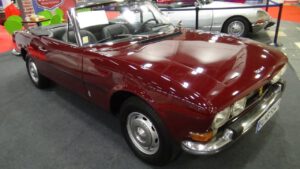
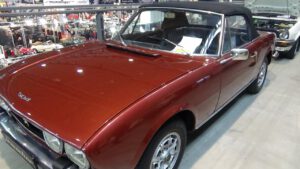
1959-1967 Volkswagen Karmann Ghia – Oldtimer-Meeting Baden-Baden 2022
Design was the Volkswagen Karmann Ghia’s defining attribute. Built in Osnabrück by Karmann and styled by the Italian design house Ghia, the car translated exotic, hand-shaped aesthetics into steel bodywork. The result was a sensuous coupé and an equally graceful cabriolet, both formed from complex stamped steel panels that created a flowing, sculptural silhouette.
Technical Details:
The Volkswagen Karmann Ghia was technically rooted in proven Beetle engineering, pairing elegant coachwork with straightforward, durable mechanics. Power came from an air-cooled, rear-mounted four-cylinder boxer engine driving the rear wheels. Over its long production life, engine displacements ranged from 1,192 cc to 1,584 cc, with outputs beginning at 30 PS at 3,400 rpm and eventually rising to up to 50 PS at 4,000 rpm. Top speeds varied accordingly, from approximately 118 km/h to around 140 km/h.
The chassis was based on the Export Beetle platform, though it required widening by 160 mm to accommodate the more expressive body. From the outset, the Volkswagen Karmann Ghia featured technical refinements such as front indicators instead of semaphore turn signals and a front anti-roll bar. Continuous development followed: a fully synchronized gearbox, spindle steering, and improved lighting systems were added over time. Later versions benefited from disc brakes at the front, a wider rear track with an equalizing spring, and numerous incremental updates aimed at safety, drivability, and comfort. Sound insulation was improved with layered materials between the engine bay and passenger compartment, helping tame the characteristic boxer soundtrack. Despite modest performance figures, the combination of reliable mechanics and steady technical evolution made the Volkswagen Karmann Ghia an accessible and maintainable classic.
- Manufacturer: Volkswagen
- Model name: Volkswagen Karmann Ghia (Coupé and Cabriolet, Type 14)
- Year of manufacturing: 1955–1974
Design:
Design was the Volkswagen Karmann Ghia’s defining attribute. Built in Osnabrück by Karmann and styled by the Italian design house Ghia, the car translated exotic, hand-shaped aesthetics into steel bodywork. The result was a sensuous coupé and an equally graceful cabriolet, both formed from complex stamped steel panels that created a flowing, sculptural silhouette.
The exterior featured a low, rounded nose, delicate bumpers, and a gently tapering roofline on the coupé, while the cabriolet offered open-top elegance without compromising visual balance. Over the years, subtle but meaningful changes refined the look: larger and more forward-set headlights from 1959, improved cooling air intakes, revised rear fenders, and distinctive multi-chamber tail lights. Later models adopted more prominent bumpers and larger rear lamps, reflecting changing regulations and tastes.
Inside, the Volkswagen Karmann Ghia balanced simplicity with sophistication. An improved instrument layout added a fuel gauge between speedometer and clock, while redesigned sun visors and fresh-air controls enhanced everyday usability. Later interiors gained chrome accents, teak-look dashboard finishes, padded steering wheels, and more supportive seating. In the cabriolet, the multilayer fabric roof folded completely into the body, preserving the car’s clean lines and reinforcing its reputation as a stylish yet practical open-top Volkswagen.
Historical Significance:
The Volkswagen Karmann Ghia represents one of Volkswagen’s remarkable success stories. Initially, Volkswagen chief Heinrich Nordhoff was reluctant to approve a coupé, but the beauty of the Ghia design presented in 1953 proved irresistible. The coupé debuted publicly at the 1955 Frankfurt IAA, with the cabriolet following into production in 1957.
What made the Volkswagen Karmann Ghia historically important was its unique formula: breathtaking design paired with uncomplicated, widely serviceable technology. Built by Karmann using Beetle underpinnings, it could be maintained at any Volkswagen workshop worldwide. While its performance never quite matched its sporty looks, the car steadily evolved, with engine outputs climbing and technical features improving in response to regulations and customer expectations.
Remaining in production for an impressive 19 years, the Volkswagen Karmann Ghia became a symbol of attainable elegance. Total production reached over 443,000 units, including cars built in Brazil, and the model found particular success in export markets such as the United States. It proved that style and reliability did not have to be mutually exclusive in mass-market automotive design.
Quirks and Pop Culture:
The Volkswagen Karmann Ghia’s charm extended far beyond showrooms. Often affectionately described as the “Volkswagen in a Sunday suit,” it gained a reputation for understated glamour. Its cinematic presence helped cement its cultural legacy. In Pretty in Pink (1986), Molly Ringwald’s character drives a light pink 1959 Volkswagen Karmann Ghia, perfectly matching the film’s romantic and nostalgic tone. Decades later, Quentin Tarantino’s Once Upon a Time in Hollywood (2019) featured Brad Pitt’s character cruising Los Angeles in a sky-blue 1967 Volkswagen Karmann Ghia convertible. Even animated television paid tribute, with a cartoonized version appearing in The Simpsons.
Display and preservation:
The vehicle was exhibited at the Oldtimer-Meeting Baden-Baden in 2022. Set in the elegant spa gardens of Baden-Baden, this open-air event is one of Germany’s most atmospheric classic car gatherings. The 2022 edition marked the 46th year of the meeting and featured over 350 carefully selected vintage vehicles from across Europe. With its picturesque backdrop and festive ambiance, the event draws thousands of visitors who stroll among historic automobiles, enjoy live music, and take in themed displays. In 2022, American classics and convertibles were especially well represented, reflecting the event’s continued celebration of both international and domestic automotive heritage.
Conclusion:
The Volkswagen Karmann Ghia stands as a timeless example of how inspired design can elevate humble mechanical foundations. Combining Italian elegance, German craftsmanship, and reliable Beetle-based engineering, it offered buyers a car that looked exotic but behaved sensibly. Continuous technical refinement, long production life, and strong cultural visibility ensured its place in automotive history. Today, the Karmann Ghia remains admired not for outright performance, but for its graceful lines, approachable character, and lasting emotional appeal.