The 1957 Mercedes-Benz 300 SL Roadster was engineered as a refined successor to the famed Gullwing Coupe. Under the hood lay a 3.0-liter inline-six engine, producing 215 horsepower at 5800 rpm, enhanced with Bosch mechanical direct fuel injection and dry sump lubrication. Retaining the core of its predecessor, it introduced key improvements such as a redesigned spaceframe to support conventional doors and increased comfort. A major innovation was the single-joint swing axle at the rear, significantly improving handling stability and reducing oversteer. From 1961 onward, Dunlop disc brakes further elevated stopping power. Though performance was slightly de-emphasized, the Roadster still reached a formidable top speed of 240–250 km/h, firmly placing it among the elite sports cars of its era.
Design
Visually, the Mercedes-Benz 300 SL Roadster exuded timeless elegance and athleticism. The absence of the Gullwing’s signature doors gave way to a sleeker, more accessible design with a soft-top convertible roof, making it ideal for open-air cruising. The exterior featured smooth lines, a low-slung profile, and refined rear fenders that accentuated its road presence. Chrome accents on the bumpers and headlamps added a touch of glamour. Inside, the Roadster offered greater legroom, more comfortable upholstery, and a sophisticated dashboard layout that preserved the sporty charm of the Gullwing while embracing luxury. Its proportions and design remain a benchmark in automotive aesthetics.
Historical Significance
Launched in 1957, the Mercedes-Benz 300 SL Roadster marked a pivotal transition for Mercedes-Benz, shifting from raw, motorsport-inspired performance to refined grand touring. Developed specifically to cater to the American market’s demand for open-top motoring, it was more than just a convertible variant—it was a reimagining of the SL ethos. Built on a new body structure while retaining the separate frame, it upheld engineering excellence without compromising on comfort. Selling 1,858 units before production ended in 1963, the W198 II series Roadster reinforced Mercedes-Benz’s dominance in the high-performance luxury sector and set the tone for future SL generations.
Quirks and Pop Culture
Unlike the track-leaning Gullwing, the Roadster quickly became a status symbol, embraced by Hollywood’s elite. Celebrities like Clark Gable and Paul Newman were frequently seen behind the wheel, contributing to its glamorized image in mid-century pop culture. It graced magazine covers, film sets, and vintage rally events, blending racing pedigree with red carpet appeal. Its high price tag of 32,500 Deutsche Marks only added to its exclusivity and mystique.
Display and preservation
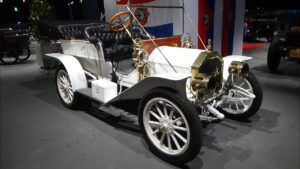
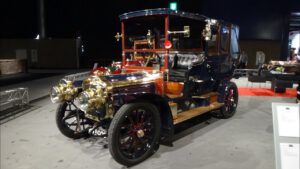
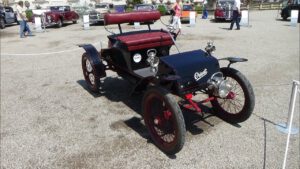
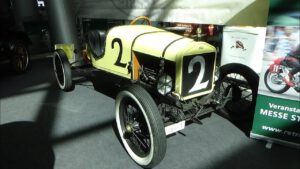
The vehicle was exhibited at the Classic Expo Salzburg in 2021. As one of Austria’s premier classic car events, the show has established itself as a central meeting point for collectors, restorers, and enthusiasts from across Central Europe. The 2021 edition took place at Messezentrum Salzburg and featured more than 250 exhibitors, along with a strong turnout of over 20,000 visitors. Attendees could explore a broad range of offerings—from historical vehicles and motorcycles to automobilia, spare parts, and literature.
Conclusion
The 1957 Mercedes-Benz 300 SL Roadster took the aggressive brilliance of the Gullwing and transformed it into a sophisticated, open-air experience. With engineering precision, luxury appeal, and cultural cachet, it became one of the most admired convertibles in automotive history—a car that didn’t just perform, but enchanted.