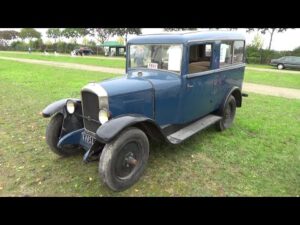
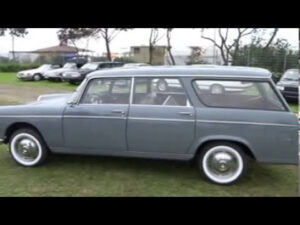
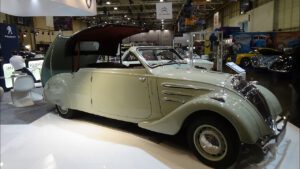
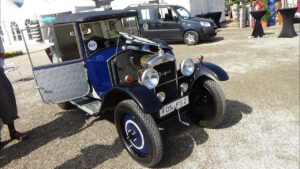
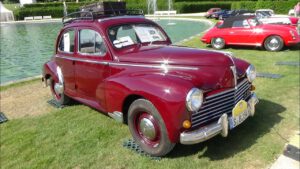
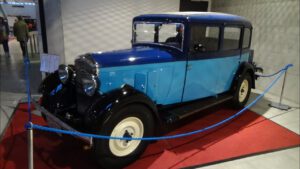
1953 Mercedes-Benz 170 SD – Exterior and Interior – Oldtimer-Meeting Baden-Baden 2022
The Mercedes-Benz 170 SD was one of the earliest diesel-powered passenger cars from Mercedes-Benz, using a 1.8-liter four-cylinder diesel engine that produced 40 hp.
Technical Details:
The Mercedes-Benz 170 SD was one of the earliest diesel-powered passenger cars from Mercedes-Benz, using a 1.8-liter four-cylinder diesel engine that produced 40 hp. It had a 4-speed manual transmission and could reach a top speed of about 105 km/h (65 mph). The diesel engine emphasized fuel efficiency and durability over performance. The car used an X-frame chassis, independent front suspension with coil springs, and a swing axle at the rear. Braking came via hydraulic drum brakes on all four wheels. Though not a powerhouse, its efficiency and longevity were legendary, especially appealing for taxi fleets.
- Manufacturer: Mercedes-Benz
- Model Name: 170 SD
- Year of Manufacturing: 1953
Design:
Visually, the Mercedes-Benz 170 SD retained much of the pre-war aesthetic seen in the earlier W136 models, with separate fenders, an upright grille, and running boards. It had a formal, reserved appearance with rounded edges and relatively simple ornamentation. Inside, the cabin was utilitarian but comfortable, with vinyl seats and straightforward instrumentation. The post-war update featured slightly modernized lighting and simplified trim, but overall retained its 1930s silhouette.
Historical Significance:
The 170 SD was an important chapter in Mercedes-Benz’s diesel legacy. It was introduced as a response to fuel shortages and a growing demand for economical transportation in post-war Europe. It also helped reestablish Mercedes-Benz as a reliable workhorse brand. The diesel engine it carried paved the way for the brand’s future dominance in diesel passenger cars.
Quirks and Pop Culture:
The 170 SD was famously used as a taxi in post-war Germany, earning it the nickname “Diesel Taxi.” While it rarely shows up in movies, it is often referenced in German literature and local stories from the 1950s. Its simplicity, slow pace, and iconic silhouette made it a common sight in small-town Europe.
Display and preservation:
The vehicle was exhibited at the Oldtimer-Meeting Baden-Baden in 2022. Set in the elegant spa gardens of Baden-Baden, this open-air event is one of Germany’s most atmospheric classic car gatherings. The 2022 edition marked the 46th year of the meeting and featured over 350 carefully selected vintage vehicles from across Europe. With its picturesque backdrop and festive ambiance, the event draws thousands of visitors who stroll among historic automobiles, enjoy live music, and take in themed displays. In 2022, American classics and convertibles were especially well represented, reflecting the event’s continued celebration of both international and domestic automotive heritage.
Conclusion:
The 1953 Mercedes-Benz 170 SD wasn’t flashy, but it was foundational. As one of the first diesel-powered consumer cars, it cemented Mercedes-Benz’s reputation for durability and innovation in efficient engineering. Its iconic shape and dependable heart make it a quiet hero in the brand’s long story.
Sources:
Mercedes-Benz Classic Archives: https://www.mercedes-benz.com/en/classic/
Hemmings: https://www.hemmings.com/
German Classic Car Registry: https://www.oldtimer-veranstaltung.de/
Oswald, Werner “Mercedes-Benz Cars 1886–2001”
Ultimate Car Page: https://www.ultimatecarpage.com/
Bonhams Auctions Archive: https://www.bonhams.com/
RM Sotheby’s: https://rmsothebys.com/
Wikipedia – Mercedes-Benz 170 S: https://de.wikipedia.org/wiki/Mercedes-Benz_170_S
Schlegelmilch, Rainer W, Lehbrink, Hartmut, von Osterroth, Joch (2013) “Mercedes”, h.f.ullmann publishing GmbH